A great interview outfit should help you feel polished, comfortable, and ready to speak clearly about your skills. These 24 plus size interview outfit ideas give you practical looks for office jobs, creative roles, corporate interviews, retail interviews, teaching interviews, and more.
Each outfit idea uses simple pieces that create structure, balance, and confidence. You can adjust colors, shoes, and accessories based on your personal style, the company dress code, and the weather.
Black Blazer With Straight-Leg Trousers
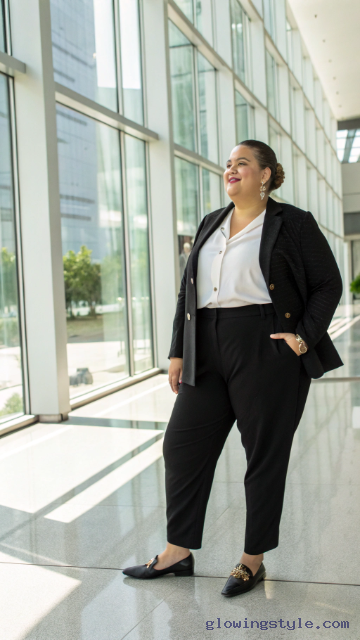
A black blazer gives your outfit instant structure. Straight-leg trousers create a clean line and keep the full look professional.
Choose a soft blouse in white, cream, blush, or light blue. Tuck the blouse in slightly at the front to define your waist without making the outfit feel tight.
Finish the look with loafers, block heels, or pointed flats. Add small earrings and a simple watch so the outfit stays focused and interview-ready.
Navy Wrap Dress With Nude Pumps
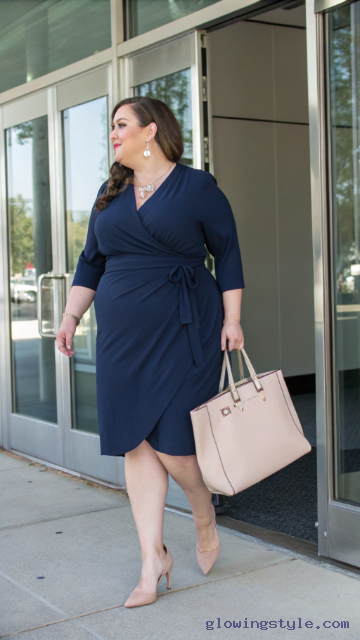
A navy wrap dress works well because it creates shape without feeling stiff. The wrap waist gives definition and the deep blue color looks calm and professional.
Pick a dress with a knee-length or midi hem. Choose a fabric that drapes smoothly and does not cling too much.
Pair the dress with nude pumps, low heels, or closed-toe flats. Add a structured tote bag to make the look feel complete and work-ready.
White Button-Down Shirt With Wide-Leg Pants
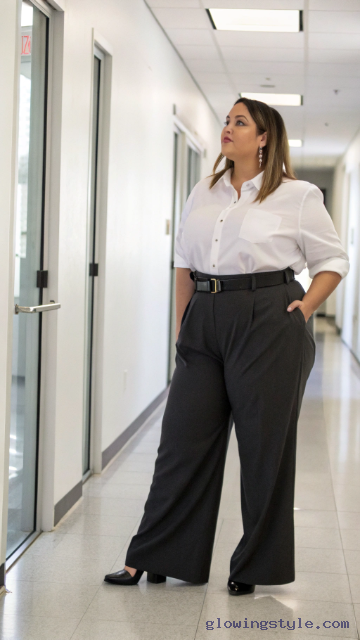
A white button-down shirt gives a crisp and classic interview look. Wide-leg pants balance the outfit and create a smooth, elegant shape.
Choose pants in black, charcoal, navy, or camel. A high-rise fit can support the waist and make the outfit feel more tailored.
Wear the shirt tucked in or tied softly at the waist if the setting is business casual. Complete the look with a belt, flats, or low block heels.
Camel Blazer With Black Jeans
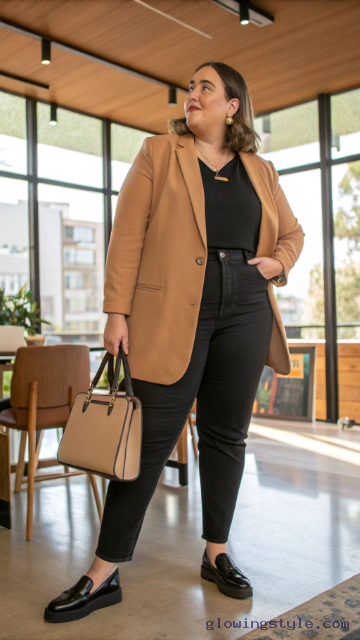
A camel blazer adds warmth and polish to a simple outfit. Black jeans can work for a casual interview when they have a clean, dark wash and no distressing.
Wear a fitted or relaxed black top under the blazer. Keep the top simple so the blazer becomes the main statement.
Choose loafers, ankle boots, or ballet flats for a neat finish. This outfit works well for startups, creative offices, retail roles, and casual workplaces.
Pencil Skirt With Soft Knit Top
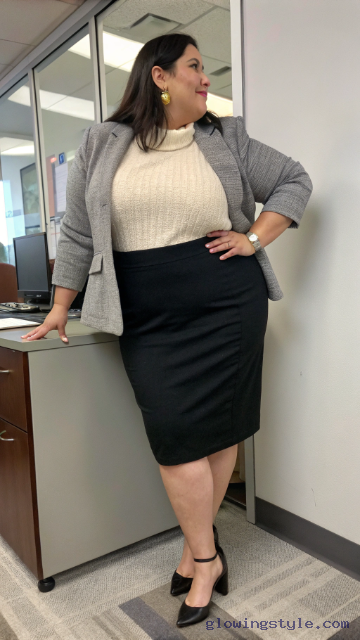
A pencil skirt creates a sharp interview look when it fits well. Choose a skirt that skims the body and allows you to sit comfortably.
Pair the skirt with a soft knit top in a solid color. A fine knit looks polished and feels less rigid than a button-down shirt.
Add a blazer if the interview feels formal. Wear closed-toe heels, flats, or sleek ankle boots to keep the outfit professional.
Monochrome Black Outfit With Statement Blazer
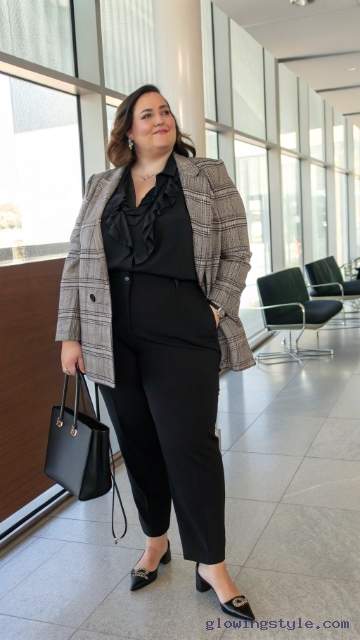
A monochrome black base looks sleek and easy to style. A statement blazer adds personality without making the outfit too busy.
Choose a black blouse or shell top with black trousers. Then add a plaid, houndstooth, burgundy, or olive blazer.
Keep shoes and accessories simple so the blazer stands out. This look works well when you want confidence, structure, and a little style.
Midi Skirt With Tucked-In Blouse
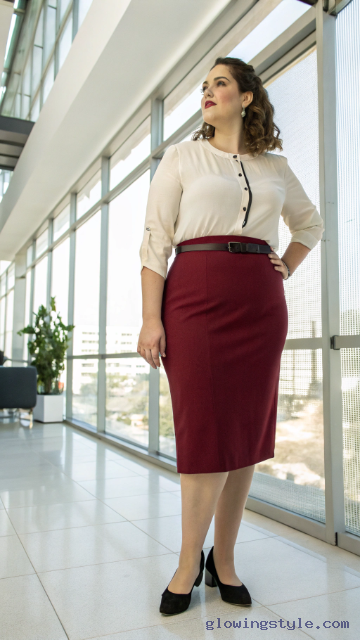
A midi skirt gives movement and comfort during an interview day. A tucked-in blouse keeps the outfit polished and balanced.
Choose an A-line midi skirt if you want more room through the hips. Pick solid colors or small prints that do not distract from your face.
Wear this outfit with low heels, flats, or loafers. Add a thin belt if you want more waist definition.
Gray Suit With Soft Blue Blouse
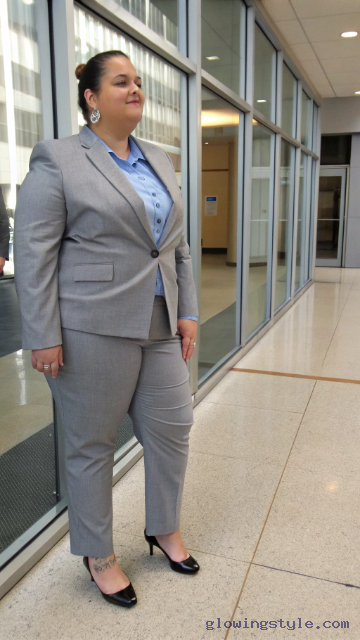
A gray suit feels professional without looking too harsh. A soft blue blouse adds freshness and keeps the outfit approachable.
Choose a blazer that sits well on the shoulders. Pick trousers with stretch or a slightly relaxed fit so you can sit and move with ease.
Finish the outfit with black, navy, or nude shoes. Keep makeup and jewelry simple for a clean interview look.
Sweater Dress With Longline Blazer
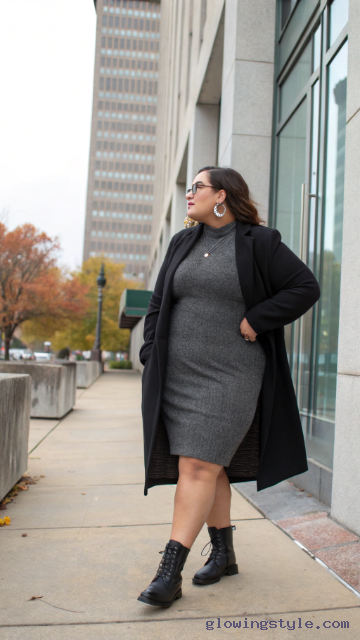
A sweater dress can look interview-ready when the cut is clean and structured. A longline blazer adds shape and creates a polished layer.
Choose a dress in black, gray, navy, taupe, or burgundy. Pick a midi or knee-length style with a smooth knit fabric.
Wear the outfit with ankle boots or block heels. This look works well in cooler weather and feels comfortable for long interview days.
Printed Blouse With Solid Trousers
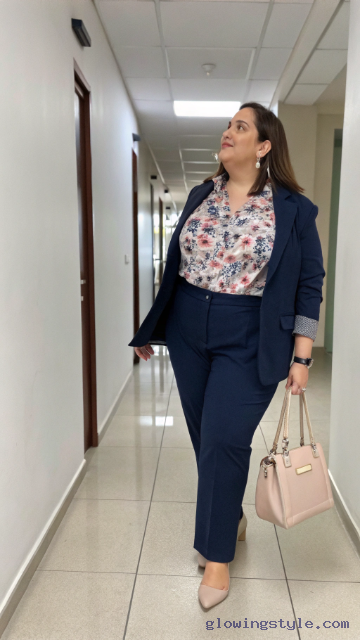
A printed blouse can show personality while staying professional. Small prints work best because they add interest without taking over the look.
Pair the blouse with solid trousers in black, navy, gray, or brown. This keeps the outfit balanced and easy to read.
Choose shoes in a color that matches the trousers. Add a simple blazer if you want the outfit to feel more formal.
Black Dress With Colorful Cardigan
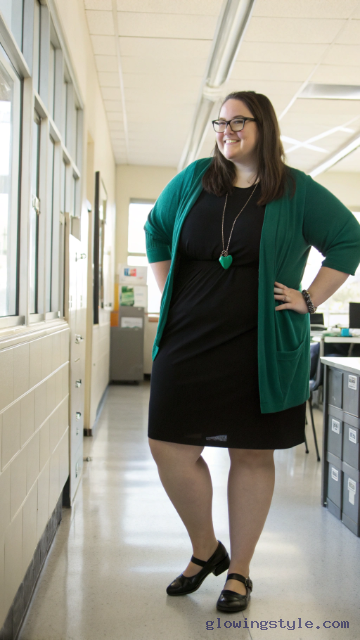
A black dress creates a simple base that works for many interviews. A colorful cardigan adds warmth and makes the look feel friendly.
Choose a cardigan in emerald, wine, camel, soft pink, or deep blue. Keep the dress modest and structured so the outfit stays professional.
Wear closed-toe flats or low heels. This outfit works well for teaching, healthcare, office support, and community-based roles.
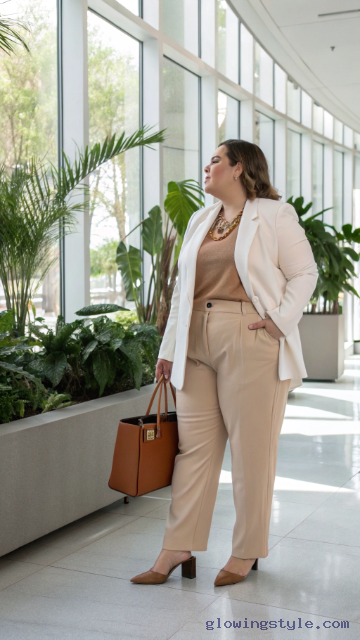
Beige Trousers With White Blazer
Beige trousers create a soft and polished base. A white blazer makes the outfit look bright, clean, and confident.
Wear a tan, navy, or black top under the blazer. A fitted shell top works well because it does not add bulk under the jacket.
Finish with nude shoes or brown loafers. This outfit feels fresh for spring, summer, and daytime interviews.
Dark Green Dress With Black Blazer
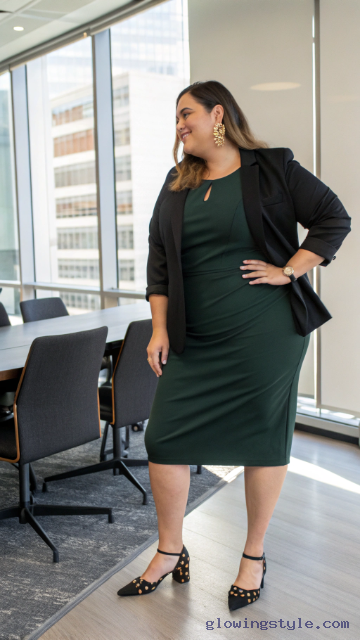
A dark green dress gives the outfit color while still looking serious and polished. Black layers keep the look grounded.
Choose a dress with a simple neckline and a defined waist. A sheath, fit-and-flare, or wrap shape can all work well.
Add a black blazer and black shoes. This outfit looks strong, calm, and memorable without feeling loud.
Striped Shirt With Black Trousers
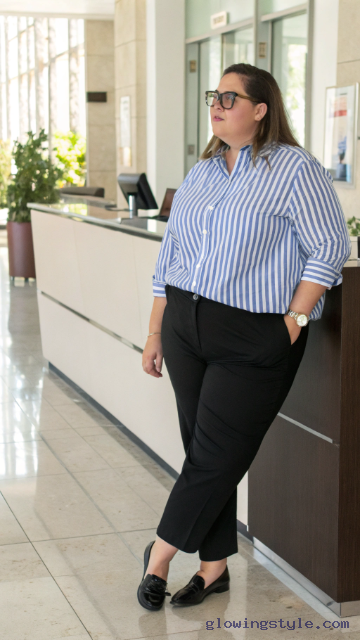
A striped shirt gives a classic office look. Thin vertical stripes can create a clean and lengthening effect.
Pair the shirt with black trousers for a simple interview outfit. Choose a trouser cut that feels comfortable through the waist and thighs.
Wear black loafers or block heels. Add a blazer only if the interview setting feels formal.
Burgundy Blazer With Neutral Basics
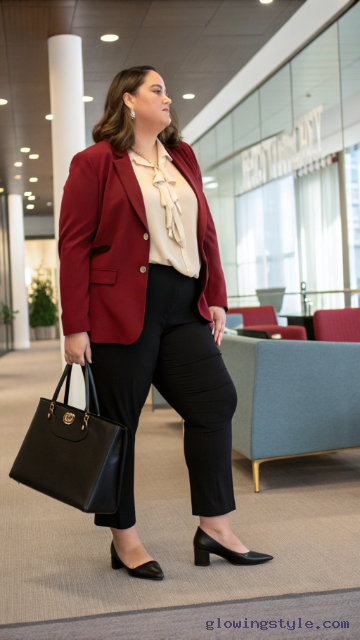
A burgundy blazer adds color in a refined way. It looks strong with black, cream, gray, navy, and tan pieces.
Wear the blazer over a neutral blouse and tailored pants. This keeps the outfit professional while giving it a stylish focal point.
Choose simple shoes and a clean bag. This look works well when you want to be remembered for the right reasons.
Jumpsuit With Structured Blazer
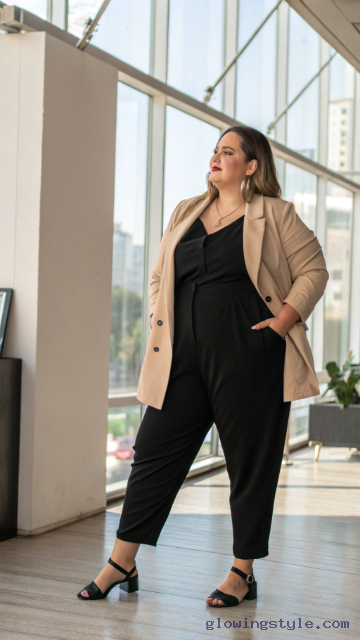
A jumpsuit can work for an interview when it has a tailored shape. Choose a solid color and avoid thin or clingy fabric.
Add a structured blazer to make the look more formal. The blazer breaks up the outfit and gives it a professional frame.
Wear low heels, flats, or ankle boots. Keep accessories minimal so the jumpsuit looks clean and intentional.
Pleated Skirt With Fitted Blazer
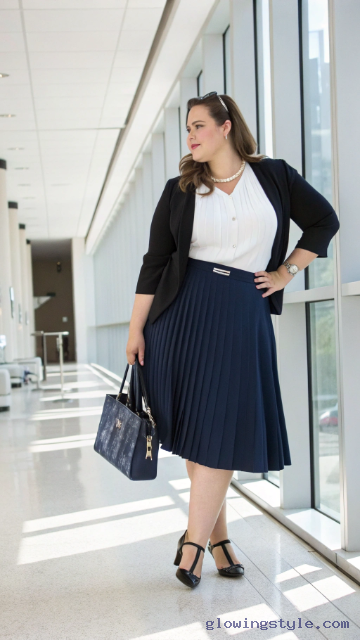
A pleated skirt gives movement and softness. A fitted blazer balances the skirt and adds a professional shape.
Choose a midi pleated skirt in navy, black, brown, or forest green. Pair it with a tucked-in top so the waist stays defined.
Finish with flats, loafers, or low heels. This outfit feels polished but still comfortable enough for a long day.
Cream Blouse With Charcoal Pants
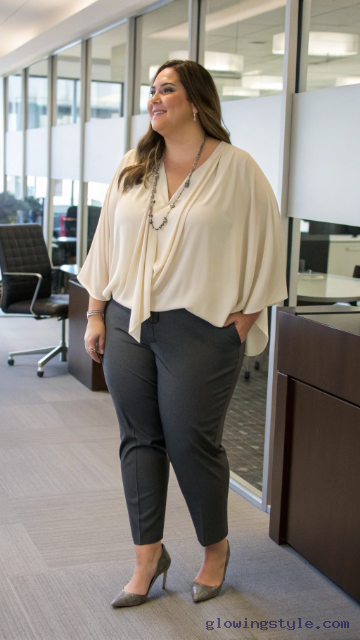
A cream blouse softens the look and brightens your face. Charcoal pants keep the outfit professional and easy to style.
Choose a blouse with a smooth drape and a modest neckline. Avoid anything too sheer unless you wear a camisole underneath.
Add black or gray shoes for a clean finish. A simple necklace can complete the outfit without pulling attention away from your answers.
Tweed Jacket With Dark Denim
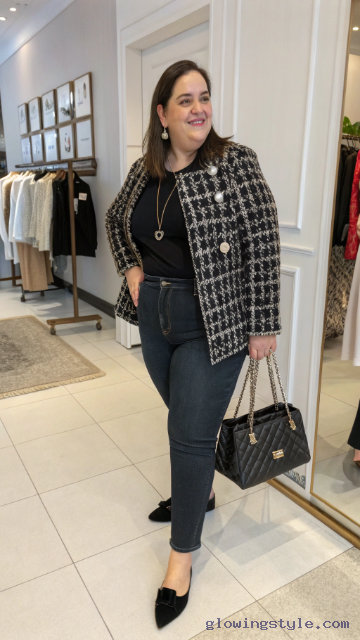
A tweed jacket gives a polished look with texture. Dark denim keeps the outfit relaxed but still neat.
Choose dark jeans with a straight or slim-straight leg. Make sure the jeans have no rips, fading, or distressed details.
Wear a plain top under the jacket. Add loafers or ballet flats for a smart casual interview outfit.
Matching Knit Set With Blazer
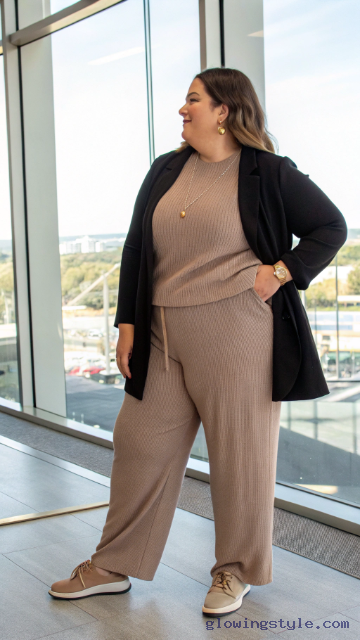
A matching knit set can look polished when the fabric is structured. Choose a top and skirt or top and pants in a refined solid color.
Add a blazer to lift the outfit into interview territory. This creates a comfortable look that still feels professional.
Choose neutral shoes and clean accessories. This outfit works well for casual offices, creative roles, and remote-work companies with in-person interviews.
Soft Pink Blouse With Navy Pants
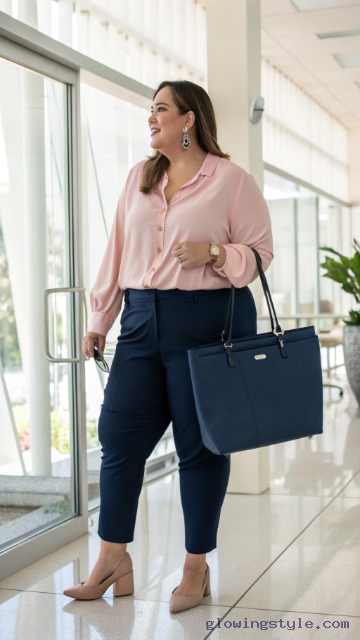
A soft pink blouse gives the outfit warmth and approachability. Navy pants keep the look grounded and professional.
Choose a blouse with sleeves that feel comfortable under a blazer. A relaxed fit can help you move naturally and sit with ease.
Add nude or navy shoes. This outfit works well when you want a friendly yet polished first impression.
Black Turtleneck With Plaid Pants
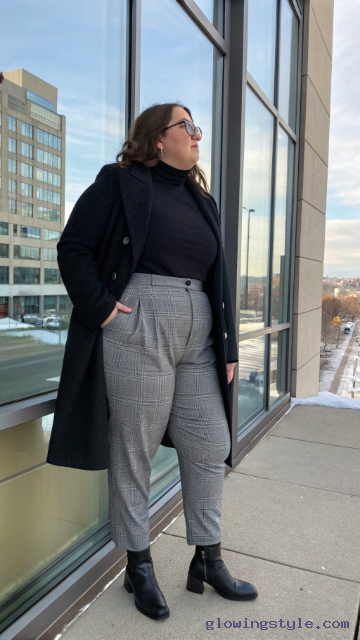
A black turtleneck creates a sleek base for cooler weather. Plaid pants add pattern while keeping the outfit sharp.
Choose plaid trousers with a tailored or straight-leg fit. Keep the plaid colors muted, such as gray, black, brown, or navy.
Wear loafers, ankle boots, or low heels. Add a long coat or blazer if the interview setting calls for more polish.
Shirt Dress With Belt
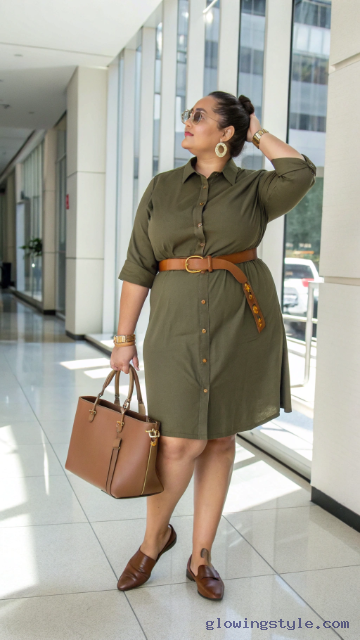
A shirt dress gives a clean and structured look in one easy piece. A belt defines the waist and makes the outfit feel finished.
Choose a shirt dress in navy, black, olive, denim-look chambray, or tan. Pick a fabric that holds shape and does not wrinkle too easily.
Wear the dress with loafers, flats, or block heels. Add a blazer if you want the outfit to look more formal.
All-White Blouse And Trouser Look With Neutral Coat
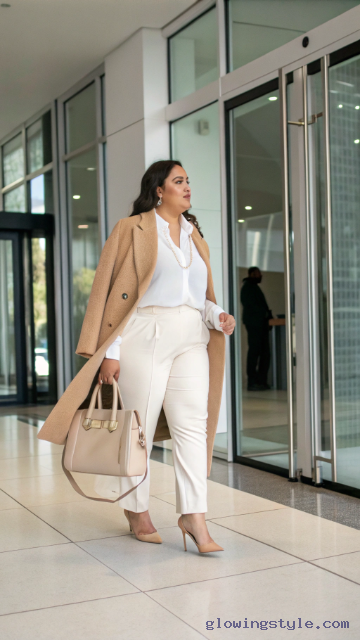
An all-white or ivory outfit looks clean, calm, and confident. A neutral coat or blazer adds structure and makes the look feel more practical.
Choose ivory trousers and a white or cream blouse with a smooth fit. Use a tan, camel, or beige layer to create depth.
Finish with nude shoes and a simple bag. This outfit works best for daytime interviews, creative offices, and polished business casual settings.
What Should Plus Size Women Wear To An Interview?
Plus size women should wear clothes that fit well, feel comfortable, and look polished. A blazer, tailored pants, wrap dress, midi skirt, or structured blouse can create a strong interview outfit.
The best outfit depends on the job and company dress code. A corporate role may need a suit, while a creative or casual workplace may allow dark denim with a blazer.
Are Dresses Good For Plus Size Interview Outfits?
Dresses can be great for plus size interview outfits when they have structure and coverage. Wrap dresses, sheath dresses, shirt dresses, and fit-and-flare dresses often work well.
Choose a dress that lets you sit, stand, and walk comfortably. Add a blazer or cardigan if you want more coverage or a more formal finish.
Can I Wear Jeans To An Interview?
You can wear jeans to some interviews, but the jeans must look clean and polished. Dark straight-leg jeans with no rips or fading work best.
Pair jeans with a blazer, blouse, and closed-toe shoes. This look fits casual offices, retail roles, startups, and creative jobs better than formal corporate roles.
FAQ: What Colors Look Best For Interview Outfits?
Navy, black, gray, camel, white, cream, burgundy, and dark green work well for interviews. These colors look professional and are easy to mix.
You can also wear soft colors like blush, light blue, or sage. Keep bright colors balanced with neutral pieces.
What Shoes Should I Wear To An Interview?
Wear shoes that look neat and feel comfortable. Loafers, ballet flats, block heels, ankle boots, and low pumps are strong choices.
Avoid shoes that pinch, slide, or make walking hard. Comfort matters because you need to focus on the conversation, not your feet.
How Can I Make An Interview Outfit Look More Polished?
Add one structured piece, such as a blazer, coat, belt, or tailored trousers. Structure helps the outfit look intentional and professional.
Keep accessories simple and clean. A watch, small earrings, a neat bag, and polished shoes can make a big difference.
What Should I Avoid Wearing To An Interview?
Avoid clothing that feels too tight, too sheer, too short, or too distracting. You should not need to adjust your outfit during the interview.
Skip ripped jeans, loud graphics, noisy jewelry, and shoes that look too casual. The goal is to help the interviewer focus on your skills and experience.
How Do I Choose Plus Size Interview Clothes That Fit Well?
Choose pieces that skim your body instead of squeezing it. Look for stretch fabrics, proper shoulder fit, comfortable waistbands, and hems that sit at the right length.
Sit down in the outfit before interview day. This quick test helps you check comfort, coverage, and movement.
Conclusion
The best 24 plus size interview outfit ideas start with fit, comfort, and polish. A blazer, tailored pants, wrap dress, midi skirt, or clean blouse can help you create a confident look for many job settings.
Pick an outfit that matches the company while still feeling like you. When your clothes fit well and support your movement, you can walk into the interview with a clear mind and a stronger presence.